Unlearning can be harder than learning, unless you are brave-ready for change
There’s a career transition that catches even the most capable people off guard. Not often the move itself. The promotion, the new title, the expanded remit. But what comes after it.
You’ve built a career on knowing things. On being the expert in the room. On the depth of your technical knowledge, your ability to analyse, to solve, to deliver. That expertise is real. It got you here.
And then the role changes. The problems in front of you are no longer primarily technical. They’re relational, political, ambiguous. They require you to influence rather than direct, to hold complexity rather than resolve it, to develop people rather than outperform them.
The skills that made you excellent become, at best, insufficient. At worst, they get in the way.
Technical mastery gets you to the door. Human skills get you through it.
Unlearning is harder than learning
Most leaders, noticing a gap, focus on what to add. And the right frameworks, tools and language genuinely help - when the conditions are right for them to land.
But the harder work — the work that rarely gets named — is creating those conditions. And that means being willing to examine what needs to be shed.
The habits and instincts that became automatic on the way up don’t disappear when the context changes.
They just start producing the wrong results. The leader who resolves every problem because that’s what made them brilliant. The expert who struggles to delegate because no one else does it to their standard. The high performer who works twice as hard as everyone around them and wonders why they’re getting half the results.
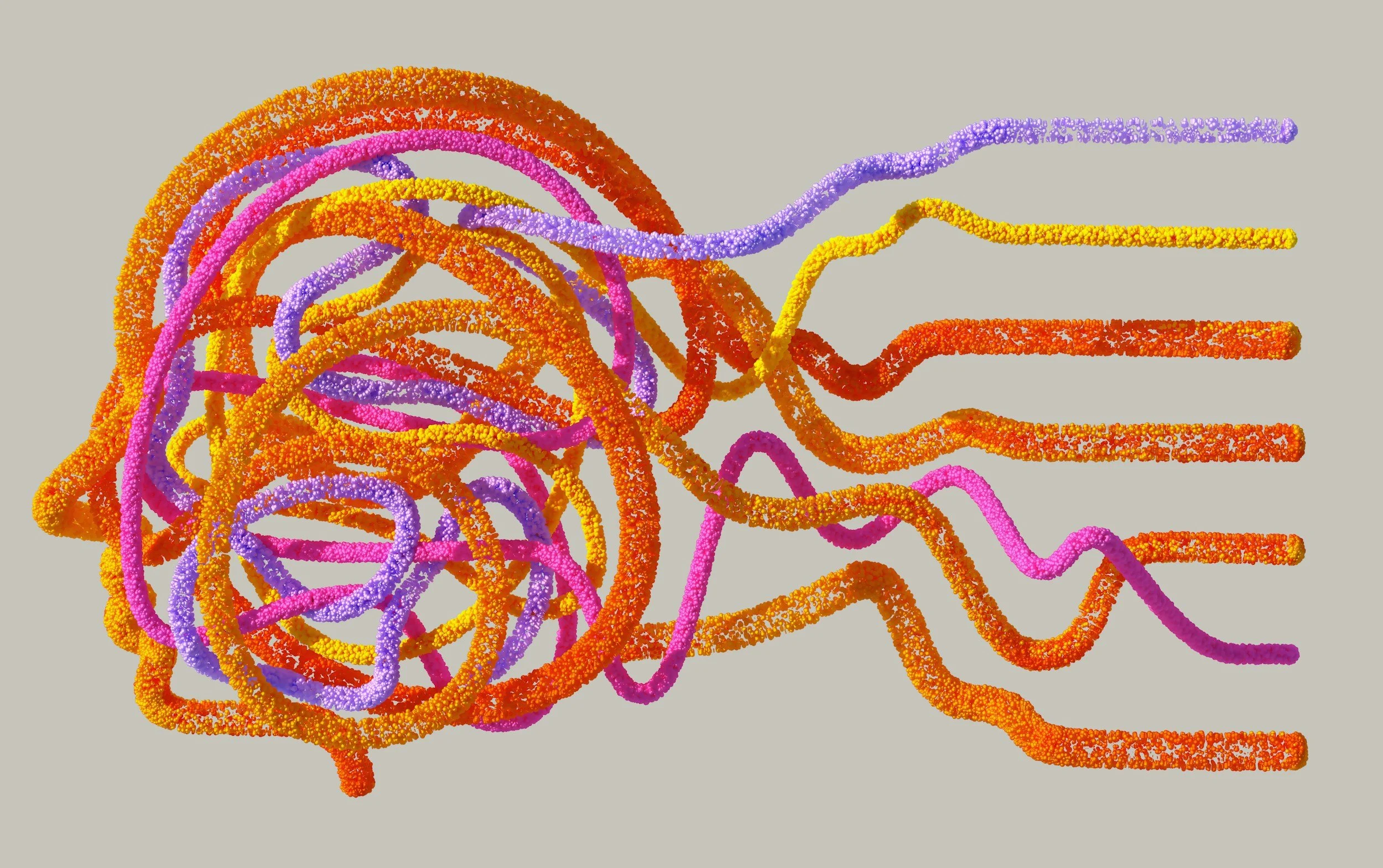
This is particularly acute for leaders coming from engineering or software development backgrounds, where the distance between technical mastery and human skills is at its greatest.
When we work with those leaders, we often describe it this way: the code isn't broken. It’s just no longer the right version for where they are now.
This is especially true in the transition from technical expert to leader — a career transition that requires moving from a world where the right answer exists and can be found, to one where the most important skills are human: listening, influencing, creating the conditions for others to do their best work.
What actually changes things
What allows the rewrite to happen isn’t information alone. It’s space, outside perspective, and tools that are simple, practical, and grounded in the science of how people actually change.
Space to stop running on automatic. To look at the habits and assumptions that have become invisible precisely because they’ve been so useful. To ask not just what am I doing but why am I doing it this way, and is it still right for where I am now.
And perspective from someone outside your own experience — who can see the pattern you’re too close to name, and who can hold that observation in a way that opens things up rather than closes them down.
This is what changes things for the leaders we work with. Not simply a new toolkit. The capacity to examine what’s become automatic, to unlearn what no longer serves, and to relearn — with the benefit of someone alongside them who can see what they can’t.
The bravest thing
A brave-ready practice
Leadership is permanently uncertain. The environment shifts, the people around you change, and what's required of you keeps evolving. There is no point at which the adaptation stops.
That's not a problem to be solved. It's the nature of the role.
What allows leaders to stay responsive to that uncertainty is courage. The developed capability to recognise and navigate the relational, reputational, strategic and organisational risks that leadership continuously brings, and to judge, decide and influence well in the face of them.
That's what brave-ready means. Not that you've arrived. But that you've built the capability to keep adapting, to keep making good judgements, decisions and to influence well , throughout your career, not just at the first transition.
The best leaders aren't the ones who have it all figured out. They're the ones who stay genuinely open to seeing what they can't see on their own , and keep doing that work.
That’s what we call brave-ready.
That’s what Be Braver® is built for.
Work with Be Braver®
Whether you’re navigating this transition yourself, or you lead a team where you can see it happening - here’s how we help leaders become brave-ready.
Open Programmes
Our open programmes bring together leaders from across sectors to do this work in a cohort setting — with the benefit of peer perspective alongside expert facilitation.
The Be Braver Programme: Women in Leadership — now open for enrolment
Brave Governance Professional Programme — now open for enrolment
Be Braver for Data & Marketing Professionals — coming soon. Join the waitlist to be first to hear.
In-House
We work with organisations who want to bring this to their people directly - through bespoke programmes, workshops, and one to one or group coaching that builds brave-ready leaders from within.